

Spinaway casino Plinko
Introduction
When I assess a fast-play casino title, I usually start with one question: does the simplicity of the interface reflect the real depth of the experience, or does it hide a more demanding risk profile underneath? That question matters a lot with Spinaway casino Plinko. On the surface, Plinko looks almost disarmingly simple. You place a stake, choose a risk setting, drop the ball, and watch it bounce through a field of pegs until it lands in a payout slot. There are no reels, no paylines, no bonus rounds, and no long rulebook to decode.
But that first impression can be misleading. Plinko is one of those casino games where a minimal layout creates a strong sense of control, while the actual outcome remains fully driven by probability. That contrast is exactly why the format has become so visible across modern gambling platforms, including Spinaway casino. It is easy to enter, quick to understand, and surprisingly varied in how it feels from one session to another depending on the chosen risk level and board setup.
For players in New Zealand looking at Plinko for the first time, the key point is not whether the game is “easy.” It is. The real issue is what kind of session it produces in practice. A low-risk setup can feel steady and almost methodical. A high-risk configuration can turn the same screen into a sequence of small losses interrupted by rare but dramatic multipliers. That gap between visual simplicity and actual session volatility is where Plinko becomes interesting.
In this article, I will focus strictly on the game itself: how Spinaway casino Plinko works, what drives its tempo, where the real risk sits, how it differs from slots and other casino games, and what a player should understand before launching it. If you want to know whether Plinko suits your style rather than just whether it is trendy, this is the right place to start. If bonuses are what you care about, free chips guide breaks down every offer currently running.
What Plinko is and why it keeps drawing attention
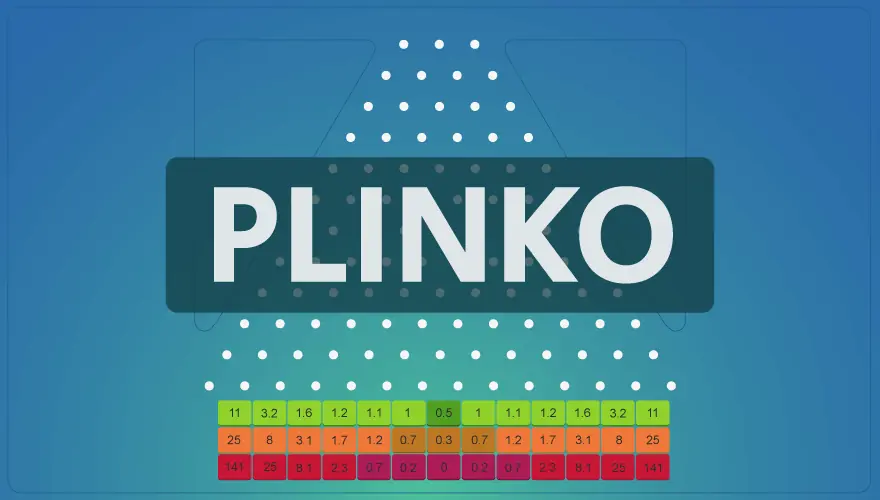
Plinko is a chance-based casino format built around a very direct visual concept. A ball is dropped from the top of the board, collides with a series of pegs on its way down, and eventually lands in one of several prize slots at the bottom. Each slot corresponds to a multiplier. Most of the central slots tend to carry lower returns, while the edge positions usually hold the larger multipliers.
That description sounds almost too basic to sustain long-term interest. Yet Plinko attracts attention for a reason. It converts abstract randomness into something the player can actually watch unfold. In a slot, the result is generated and then displayed through spinning reels. In Plinko, the result still comes from a random process, but the path feels visible. You see the ball drift left, bounce right, hesitate in the middle, then suddenly move toward a low or high multiplier. That visual journey adds tension even though the player does not directly influence the final landing point.
There is another reason the format stands out. Plinko compresses the action. A round is usually resolved quickly, often in just a few seconds, which creates a very specific rhythm. It is not a slow-burn game. It is immediate, repeatable, and easy to restart. That makes it attractive to players who want short decision cycles instead of long spin animations or layered bonus structures.
What I find especially notable is that Plinko often appeals to two different types of players at once:
- Players who want a simple entry point without learning paylines, symbol values, or side rules.
- Players who actively seek variance and are willing to accept many modest or losing rounds in exchange for a chance at a large multiplier.
That overlap is unusual. Most casino games are either clearly casual on the surface and mild in their outcomes, or obviously high-risk from the moment you open them. Plinko can look light and approachable while still producing a very uneven payout pattern. That is one of the reasons it has become so noticeable on modern casino platforms, including Spin away casino pages built around quick-play content.
How the Plinko system actually works on the board
To understand Spinaway casino Plinko, it helps to separate the visual layer from the mathematical one. Visually, the ball appears to travel through a chaotic field of pegs. Mathematically, the game is structured around a distribution of possible landing outcomes. The board is not just decoration. It is the way the game presents probability.
Most Plinko versions revolve around three core settings:
- Bet size — the amount staked per drop.
- Rows — the height of the board and the number of bounce points.
- Risk level — usually low, medium, or high, which changes how multipliers are distributed.
The ball starts at the top and shifts left or right as it hits each peg. More rows usually mean more bounce events and a wider spread of possible landing zones. In practical terms, that tends to increase the sense of suspense because the path becomes longer and the edge outcomes feel more distant yet more tempting.
The risk setting is where the session character changes most clearly. At lower risk, the bottom multipliers are arranged in a way that clusters more value around the centre. This usually means more frequent modest returns and fewer extreme results. At higher risk, the centre often becomes less forgiving, while the outer slots carry much larger multipliers. The trade-off is obvious: bigger top-end potential, but a harsher average rhythm.
Here is a simplified view of how these settings affect the experience:
| Setting | What changes on screen | What it means in practice |
|---|---|---|
| Low risk | More balanced multiplier layout | More stable session flow, fewer dramatic spikes |
| Medium risk | Wider gap between common and strong outcomes | Mixed rhythm with both steady and swingy stretches |
| High risk | Large edge multipliers, weaker central value | Longer losing sequences can occur before a standout hit |
| More rows | Longer drop path and broader board spread | More suspense, often stronger perception of randomness |
One detail many new players miss is this: the movement looks physical, but the game is still designed around preset payout logic. Watching the ball bounce gives the result a tangible shape, yet it does not turn the process into a skill contest. That distinction matters because Plinko can create a subtle illusion that a “good path” was almost earned. In reality, the path is just the visible expression of a randomised outcome structure.
This is one of the most memorable things about Plinko: it looks like a toy, behaves like a probability engine, and feels like a tension simulator. That combination is a major part of its appeal.
Why the game stays engaging and how the pace feels in a real session
Plinko holds attention through rhythm rather than narrative. A slot often relies on anticipation built around special symbols, real money free spins, expanding reels, or a bonus trigger. Plinko does not have that layered architecture. Its engagement comes from repetition with variation. Every drop follows the same basic process, but the route and result are never visually identical.
In a real-money session, the pace can become deceptively intense. Because rounds resolve quickly, it is easy to place many drops in a short period. That has two consequences. First, the game feels active even with a small stake. Second, bankroll movement can accelerate faster than some players expect. The interface may look calmer than a feature-heavy slot, but the speed of repetition can make the session more aggressive from a spending perspective.
I often describe Plinko’s tempo as “quietly fast.” It does not bombard the player with effects, yet it keeps pulling the next decision closer. You are rarely waiting. You are mostly reacting. That makes it attractive for players who dislike downtime, but it also means discipline matters more than the minimalist screen suggests.
There is also a psychological loop built into the format. Since edge multipliers are visible at all times, they remain present in the player’s mind even when they are rarely hit. You do not need a bonus wheel or jackpot banner to create temptation; the board itself does that job. The large numbers sit at the edges as a constant reminder of what could happen on a single drop.
Another observation worth making: Plinko often feels fairer than it feels generous. By that I mean the result is easy to read and there is little confusion about what happened. The ball landed where it landed. But clarity should not be mistaken for softness. A transparent outcome can still be expensive over time, especially on high-risk settings.
How risky Plinko really is and who is likely to enjoy it
The answer depends less on the name of the game and more on the configuration chosen before the session begins. Plinko is not a single fixed experience. It is a framework that can lean toward steadier returns or much sharper swings. That is why broad statements like “Plinko is safe” or “Plinko is brutal” are not very useful without context.
At low risk, the game may suit players who want frequent feedback and a smoother curve of outcomes. The session tends to feel more controlled, even if the underlying randomness remains unchanged. This does not remove the house edge or turn the game into a low-pressure exercise, but it can reduce the emotional whiplash that comes with chasing rare top multipliers.
At high risk, the tone changes completely. Here the game is more suitable for players who are comfortable with dry spells and who understand that a handful of strong hits may be expected to carry a large part of the session’s value. If those hits do not arrive, the bankroll can decline quickly. That is not a flaw in the design; it is the design.
Plinko may fit you if:
- you prefer short rounds and direct outcomes;
- you enjoy visual randomness more than reel-based symbolism;
- you want control over session style through risk settings;
- you are comfortable with the idea that many rounds may end below stake, especially at higher settings.
It may not be the best choice if:
- you play mainly for story-like bonus features and evolving rounds;
- you dislike repeated low returns between occasional stronger results;
- you tend to increase stakes impulsively during fast sessions;
- you expect visible ball movement to imply meaningful player influence.
That last point is particularly important. Plinko can be entertaining for analytical players, but only if they accept what the game is. It is a random payout model with a visual path, not a timing challenge and not a precision drop simulator in the skill-game sense.
What players should understand about probabilities, session flow, and outcomes
Before launching Spinaway casino Plinko, I would strongly recommend thinking in terms of distribution rather than isolated drops. New players often focus too heavily on the highest multiplier shown on the board. That is understandable, but it is not the right way to evaluate the format. The top number matters far less than how often the lower and middle outcomes appear around it.
In most versions of Plinko, the centre of the board is statistically easier to reach than the far edges. That means lower or moderate multipliers usually occur more often than the extreme ones. The exact structure depends on the board layout and risk level, but the general principle remains consistent: the biggest rewards are visible because they are rare, not because they are likely.
This affects the session in several practical ways:
- Short-term results can be misleading. A strong hit early in the session can create the impression that the board is paying well, while a long cold run can make it feel hostile. Neither necessarily says much about the next sequence.
- Fast repetition amplifies emotional reactions. Because drops are quick, players can move from confidence to frustration in minutes.
- Risk settings reshape expectations. Higher risk does not simply mean “more excitement.” It means the balance between common and uncommon outcomes becomes less forgiving.
Here is a practical comparison of how a session may feel under different approaches:
| Session style | Typical feel | Main caution |
|---|---|---|
| Lower risk, smaller stake | Steadier pacing, more modest returns | Can create false comfort and encourage overlong sessions |
| Medium risk, controlled stake | Balanced but still swingy | Results can shift quickly without obvious warning |
| High risk, aggressive stake | Sharp tension, rare standout moments | Bankroll can drop rapidly during dry sequences |
One of the clearest practical lessons with Plinko is this: the game does not need a bonus round to create volatility; the board itself is the bonus round logic. The whole experience is built around payout distribution. That makes understanding the probability structure more important here than in many conventional slots, where part of the interest comes from features layered on top of base gameplay.
How Plinko differs from slots and other common casino formats
The easiest comparison is with classic online slots, because that is where many players arrive from. A slot usually combines symbols, paylines or cluster rules, special icons, and one or more feature cycles. Its appeal often comes from progression within a spin sequence: near-misses, scatter counts, expanding symbols, free spins, and other developments that create a mini-story.
Plinko strips all of that away. There is no symbolic language to learn. No reel set to interpret. No bonus meter to wait on. The appeal comes from direct probability exposure. You stake, drop, and resolve. That creates a cleaner but also more unforgiving experience. There are fewer distractions and fewer ways to misread what is happening.
Compared with roulette, Plinko shares the idea of placing a stake against a probability distribution, but it presents the result more visually. Compared with crash games, it shares the tension of chasing higher returns, but without a cash-out decision. Compared with dice-style instant games, it offers a stronger visual narrative despite using a similarly concise action loop. Table game fans will get more out of this review after reading Aviator crash game details.
What stands out most is the type of anticipation it creates:
- Slots build anticipation through combinations and feature triggers.
- Roulette builds anticipation through wheel resolution and bet coverage.
- Crash formats build anticipation through timing and exit decisions.
- Plinko builds anticipation through visible descent and multiplier placement.
That means Plinko often appeals to players who want cleaner cause-and-effect on screen. You do not need to decode a paytable to understand the result. At the same time, players who enjoy layered features may find Plinko too bare after the first novelty wears off. There is less thematic depth and less structural variety from round to round.
Practical strengths and weaker points of the format
Every casino game has trade-offs, and Spinaway casino Plinko is no exception. The strongest aspects of Plinko are not hard to identify, but they only become useful if the player understands the cost attached to them.
Main strengths
- Immediate clarity. The game is easy to understand without a long learning curve.
- Strong visual tension. The bouncing path makes each result feel active rather than purely numerical.
- Customisable session style. Risk settings and board depth can noticeably change the feel of play.
- Fast rounds. Suitable for players who want short, direct cycles.
Main limitations
- Repetition can arrive quickly. Without features or thematic progression, some players lose interest sooner than they would in slots.
- Speed can work against bankroll control. Quick rounds make overspending easier if limits are not set in advance.
- High-risk setups can be harsher than they look. The simple interface can understate the severity of losing stretches.
- Perceived control is limited. Watching the ball move may feel interactive, but it does not create strategic influence over outcomes.
If I had to summarise the format in one balanced line, I would say this: Plinko is excellent at turning randomness into something watchable, but it is not especially good at hiding how expensive randomness can be.
What to check before launching Spinaway casino Plinko
Before starting a session, I would advise any player to pause for a minute and look at the setup rather than jumping straight into repeated drops. Plinko rewards that small bit of preparation more than many people realise.
Here are the main things worth checking:
- Risk level. This is the single most important choice because it changes the shape of likely outcomes.
- Board rows. More rows often mean a broader spread and a different feel of suspense.
- Stake size relative to session length. Since rounds are quick, even modest stakes can add up fast.
- Demo availability. If a demo mode is offered, it is useful for reading the rhythm of the board before committing real money.
- Your own reason for playing. If you want feature depth, Plinko may not satisfy you. If you want concise tension, it might fit very well.
For New Zealand players in particular, the practical value of a trial approach is high. A few minutes in demo mode can reveal whether the title feels engaging or merely repetitive to you. That matters because Plinko is highly style-dependent. Some players click with it immediately. Others understand it in seconds and never feel compelled to return.
One more point deserves emphasis: do not judge the game by a handful of dramatic clips or highlight moments. Plinko is often shown through its biggest multipliers, but real sessions are built from the full spread of outcomes, not the rarest examples. The right question is not “How big can it hit?” but “Do I actually enjoy the pattern of play that leads to those hits?” When the support team feels slow, Spinaway Casino chicken road guide for safer real money play explains the fastest ways to reach them.
Final verdict
Spinaway casino Plinko offers a very specific kind of casino experience. It is clean, fast, visual, and easy to grasp from the first drop. That accessibility is one of its biggest strengths. You do not need to learn a complicated paytable or wait for a feature cycle to understand what is happening. The game shows its logic openly: a ball falls, the board distributes probability, and the multiplier at the bottom determines the result.
That said, the simplicity of the screen should never be confused with softness of outcome. Plinko can feel light to start and still produce sharp bankroll swings, especially on higher risk settings. This is where caution matters. The format is at its best for players who appreciate short rounds, visible randomness, and configurable session style. It is less suitable for those who want long-form bonus structure, stronger player agency, or a slower pace with more breathing room between decisions.
If you ask me what Plinko really offers, the answer is straightforward: it turns pure chance into an immediately readable and often highly tense experience. Its key strengths are clarity, speed, and adjustable intensity. Its weaker side is repetition and the ease with which rapid rounds can outpace a player’s discipline. That is why some players find it compelling and return to it often, while others try it once and move back to slots, roulette, or other casino games with a different rhythm.
So, is Spinaway casino Plinko worth trying? Yes, if you want a direct, probability-driven format and you understand what that means in practice. Just go in with realistic expectations. Plinko is not a trick game, not a skill challenge, and not a feature-heavy slot in disguise. It is a streamlined test of how comfortable you are with fast decisions, visible randomness, and a payout structure that can feel calm one minute and severe the next.
FAQ
How does Plinko work from the moment the ball drops?
A ball is released from the top chute and falls through pegs to bounce down into a numbered multiplier zone. Each drop is tied to the stake and the multiplier it lands on. The result is shown right after the ball settles.
How does stake selection influence potential wins in Plinko?
The stake multiplies the payout associated with the multiplier zone the ball lands on. A higher stake increases the impact of both small and large multipliers. Adjusting stake before each drop is the most direct way to control risk on real-money play.
What happens if a player switches to a different device mid-session on Spinaway?
Plinko sessions are tied to the active login state and game mode shown in the client. Switching devices may restart the game lobby view, so the next round should be started intentionally after confirming demo or real-money mode. Always verify the selected stake before resuming drops.
How does Plinko compare to other casino games like slots for risk and pace?
Plinko has quick, single-round drops where the outcome is decided immediately by where the ball lands. Slots typically involve spinning reels and may use different payout structures and volatility patterns. Players who prefer short, action-focused rounds often choose Plinko for its fast feedback per drop.
Why might a Plinko round fail to launch or stop responding, and what can be checked?
A stalled launch is often related to network instability, an outdated browser, or blocked game assets. Try reloading the game lobby and confirming the correct login method is active. If the problem continues, using a different device or switching networks usually helps, then contacting support can speed up resolution.
How can players access a working Plinko version if the first launch screen shows an issue?
A working mirror option may be available to keep access stable during busy periods. Use the official site’s provided access methods and relaunch Plinko from the game lobby rather than refreshing mid-round. After opening the new instance, confirm the displayed mode and stake before dropping the ball.